
President’s Message

The Pokémon Company is a Company that Produces Pokémon

I believe our name, The Pokémon Company, communicates what we do more directly than almost any other company out there. After all, nobody hears our name and thinks we’re in the Doraemon business—right? Just as our name says, The Pokémon Company is dedicated entirely to Pokémon. Put another way, we do nothing but Pokémon here. I chose the name deliberately, to leave no doubt about the company’s role and purpose.

In interviews, I’m often asked, “What exactly does The Pokémon Company do for Pokémon?” My answer is always: “We’re a company that produces Pokémon.” That tends to draw a puzzled look, followed by, “And what does it mean to produce Pokémon?” At that point I offer an analogy: “Think of a talent agency. A talent agency decides what work its talent takes on, how to develop their abilities, and how to guide their careers. At The Pokémon Company, we do something very similar—our talent just happens to be Pikachu and Charizard. We plan carefully about which media they appear in, which products they feature in, and how to nurture them over time.” That usually clicks. But it’s only one aspect of what producing truly means.

To be a little more precise: "producing Pokémon" means two things—guiding Pokémon to become the most compelling products possible, and once those products reach the market, making every adjustment necessary to achieve the best results as a business.


What Makes a Product Truly Compelling

So, what makes a product compelling? It's hard to say in a single word, because everyone thinks and feels differently about it—some want something they'll want to keep forever, others something they can't stop playing once they start, and others something affordable and convenient. But my own answer is: a product that makes whoever picks it up want to recommend it to someone else.

Having a compelling product is the first step toward maximizing the business. It is because a product is genuinely compelling that it wins broad support and allows the business to reach the next level. Being deeply involved in everything from manufacturing to marketing and promotion—all to create that compelling product and maximize the business—that is what producing means. And it is work that demands the full range of one’s abilities as a human being.

Through this producing, the Pokémon brand earns its reputation as something of real value and gains the support of people everywhere. That is Pokémon brand management—and this "producing" is the work we are meant to do at The Pokémon Company.


Why Pokémon is for Everyone

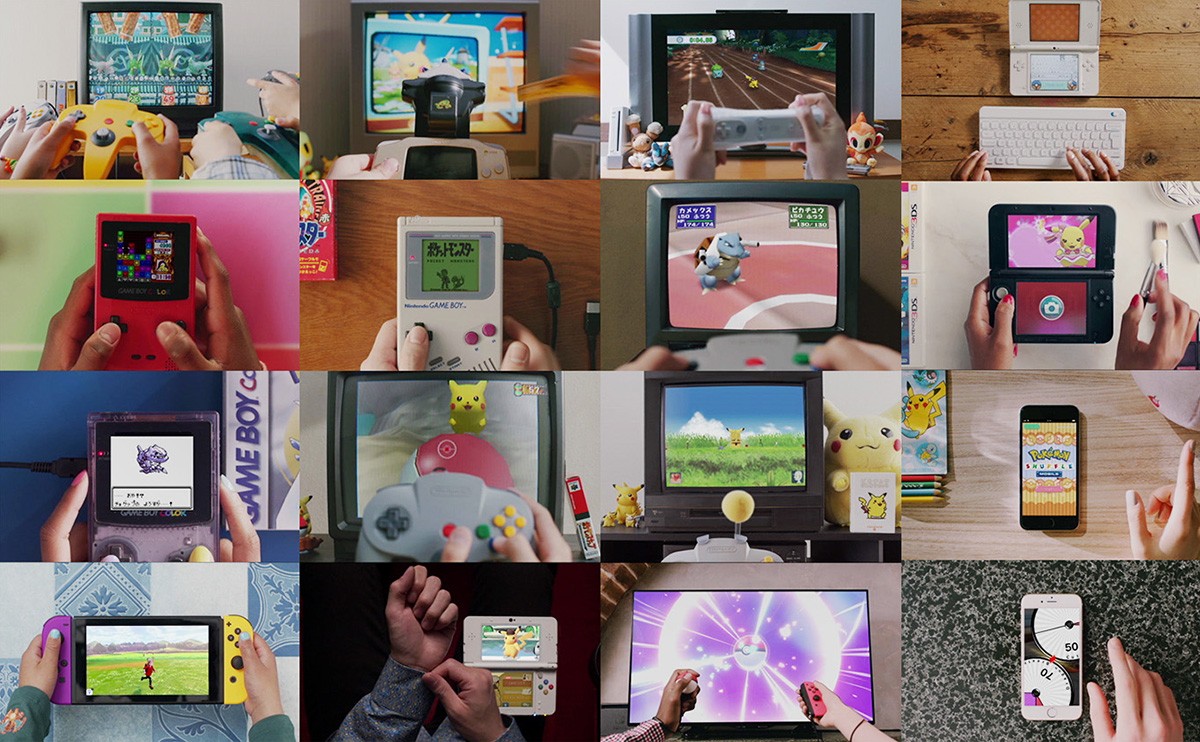
Pokémon was born in 1996, and ever since, I’ve often been asked: “What’s the secret to its popularity?” and “Why has it continued to be loved for so long?” My answer is that the core, universal pillars of the Pokémon experience, “collect, raise, trade, battle,” are the source of our strength and the reason people keep coming back. These pillars hold true not just in games, but across every product and service we create, and they resonate with players regardless of country or region. As devices and connectivity have evolved, so has Pokémon—and through it all, we have been able to give people of all ages that same thrill of discovery that so many of us felt as children: catching bugs, tending to plants, caring for animals. Delivering that experience to as many people as possible, through Pokémon, is something we consider deeply important.


Enriching Both the Real World and the Virtual World

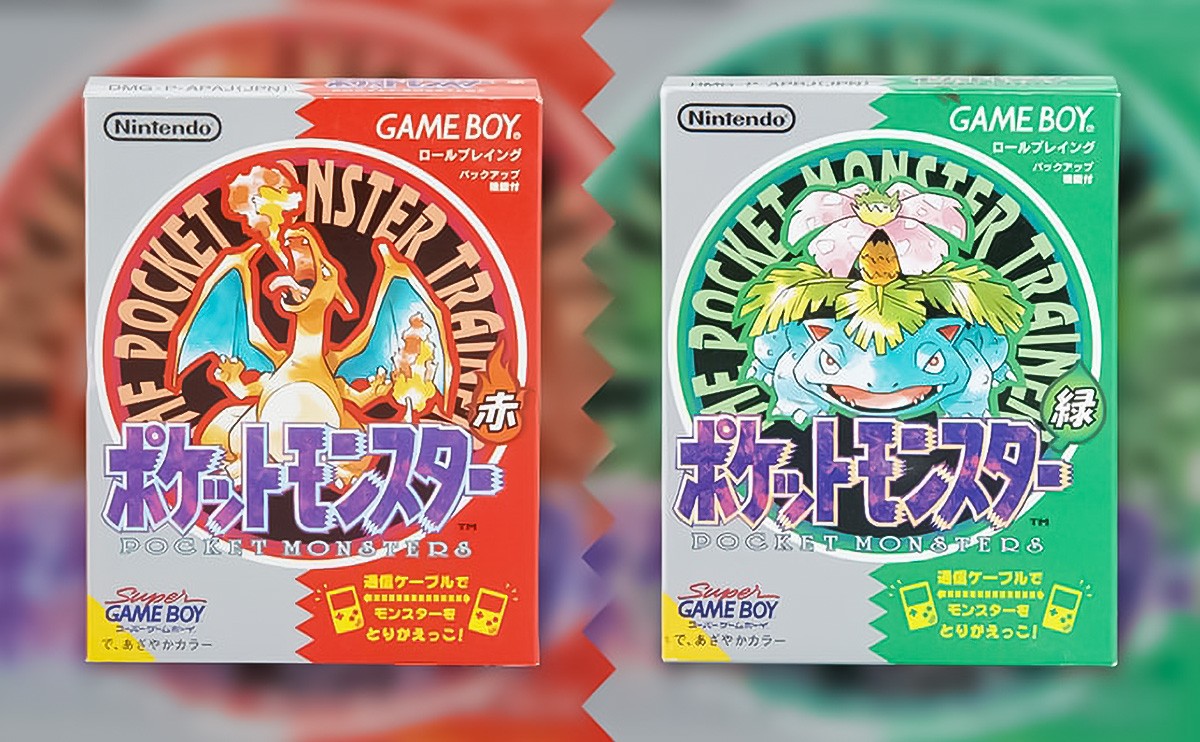
One memory that has stayed with me from the very first time I played Pokémon Red and Green: in Vermilion City, an NPC—a non-player character—offered me a trade, and I received a Farfetch’d named Osho. Later, when I made the same kind of trade with a real friend, something clicked. The NPC and my friend were doing the same thing. It created this strange, wonderful sensation of moving between the virtual world and the real one. In time, Wi-Fi made it possible to trade with players anywhere on earth, and Pokémon became a bridge across countries, regions, and cultures.

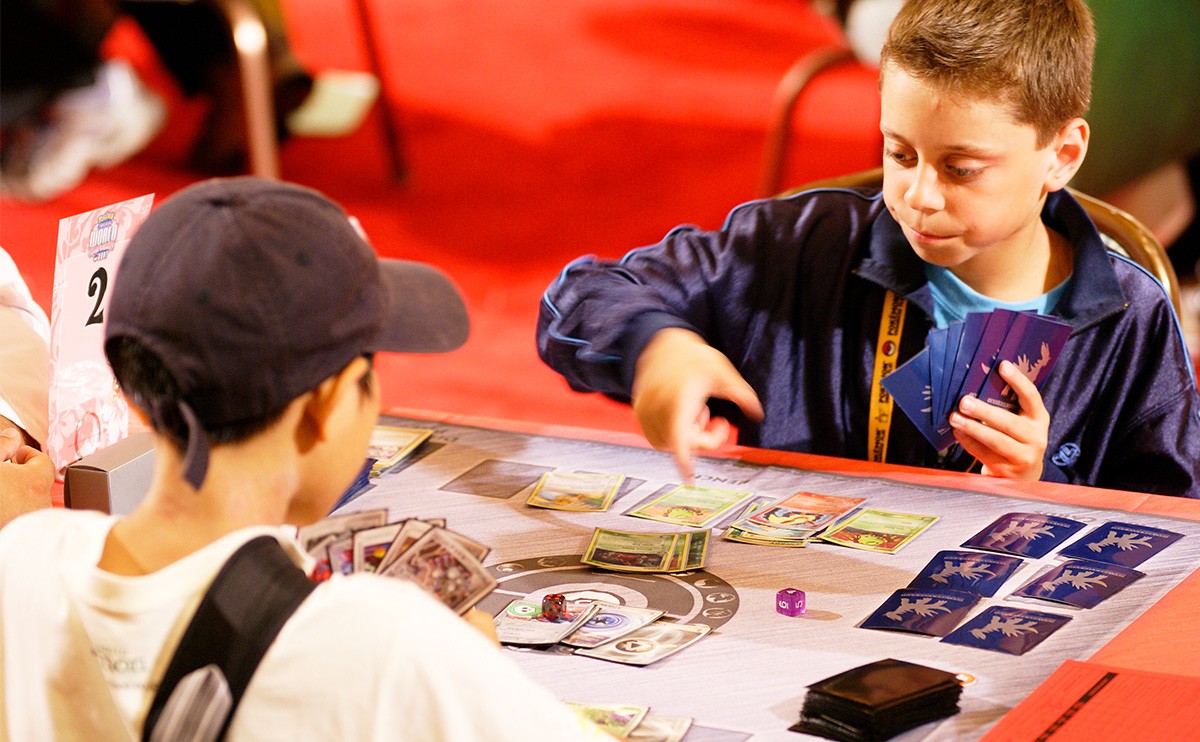
Pokémon Centers—official stores for Pokémon goods—in Japan and around the world have become places where fans gather to shop for products, to get their hands on exclusive Pokémon contents, to battle, or simply to find fellow fans. And at the World Championships, the pinnacle of competitive play, Trainers from around the world compete for the top title, as fans everywhere follow along the live stream.

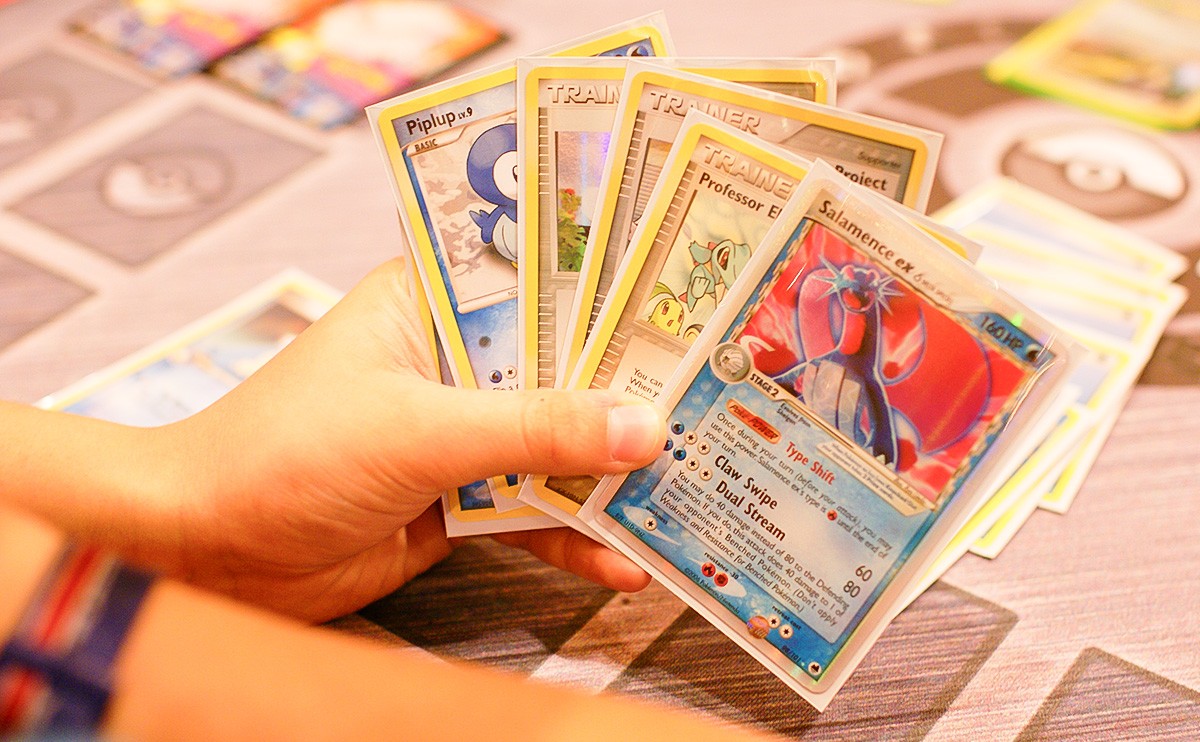
Whether you're exploring the real world on foot with Pokémon GO, checking sleeping condition every morning with Pokémon Sleep, and enjoying the Pokémon Trading Card Game in both its physical and digital forms—all these experiences move fluidly between the real and the virtual world. This makes me realize Pokémon is enriching our world.

Our mission, “To enrich both the real world and the virtual world through Pokémon,” is not some distant aspiration. It is happening right now, all around us. And every day, we work to push that world a little further. When I see so many people captivated by Pokémon, smiling and sharing in the joy of it, I feel it with absolute certainty: Pokémon truly has the power to bring the world together. That is what drives us. And I believe we still have many more things to do.

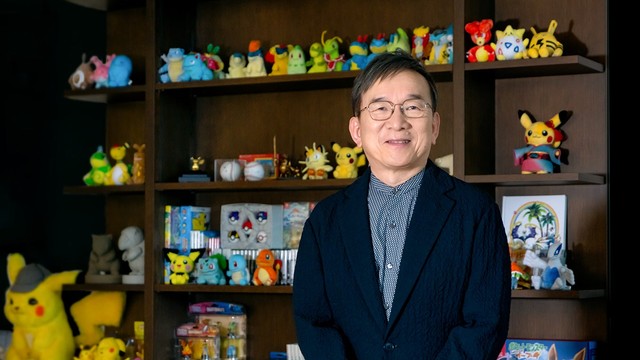
Photo of Tsunekazu Ishihara

President and CEOTsunekazu Ishihara

Born in Toba City, Mie Prefecture, in 1957.
Graduated from the University of Tsukuba Graduate School of Art and Design in 1983. Involved in the development of various video games as a game producer before founding Creatures Inc. in 1995. In 1996, produced Pokémon Red and Green, which became the basis for all subsequent Pokémon related products, and after that, became the producer for all Pokémon video games. In 1998, founded Pokémon Center Co., Ltd. (now The Pokémon Company) and became the president and representative director. Currently, handles brand management for all Pokémon products, including video games, trading card game, videos, and apps.

Major Awards, Media Appearance, and Talks
Activities and Awards

1998 MMCA Special Award, 13th Multimedia Grand Prix 1998

2003~ Member of the judging committee for the Entertainment category of the Japan Media Arts Festival since 2003 and chief of the committee in 2006

2008 Digital Contents of the Year ’07 / Distinguished Service Award, 13th AMD Awards

2011 Special Award, CEDEC Awards 2011 / Minister of Economy, Trade and Industry Award, Japan Game Awards 2011

2016 Soft Power Award, Japan Innovator Award 2016

2017 Minister of Economy, Trade and Industry Award for Pokémon GO, Japan Game Awards 2017

2019 Grand Prize, Institute of Environmental Art and Design 2019

2025 Gold Legend Honor, Gold Gala

2026 Andrew Yoon Legend Award, New York Game Awards

Appearances

Cambrian Palace, TV Tokyo

World Business Satellite, TV Tokyo

Masterpiece for the Businessperson, TV Tokyo

The Professionals, NHK

Daisuke Tsuda: Japan Plus, TV Asahi

RAKUMACHI BIZ8, J-WAVE

TOPPAN Futurism, J-WAVE

Nihon Keizai Shimbun, Yomiuri Shimbun, Asahi Shimbun, Mainichi Shimbun, Sankei Shimbun, Keizai Kogyo Shimbun, Diamond Online, and Bloomberg, as well as television, newspapers, magazines, and the internet

Talks

“Productions That Entertain.” CEDEC 2010 Special Invitation Session (CEDEC)

“Healthcare x Gamification Forum: The Evolution of Healthcare Through Games” (Yokohama City University, Tokyo University of the Arts, Astellas Pharma, Inc.)

“Environment and Art 1964, Tokyo 2020”. Institute of Environmental Art and Design 20th Anniversary Conference (Institute of Environmental Art and Design)

Books

Ryu Murakami. Cambrian Palace: Ryu Murakami x Financial ExpertsⅡ. Nikkei Business Publications

Naoto Yoshioka. 97 Things Every Game Creator Should Know. O’Reilly Japan

Shoko Nakagawa. Pokémon Taught Me the Meaning of Life. Shogakukan

Related Pages