

2024.05.10
Pokémon Kyogashi: Kyoto-Style Sweets Blending Tradition and Innovation
Index
1. Kyogashi and Pokémon Bringing Out the Best in Each Other
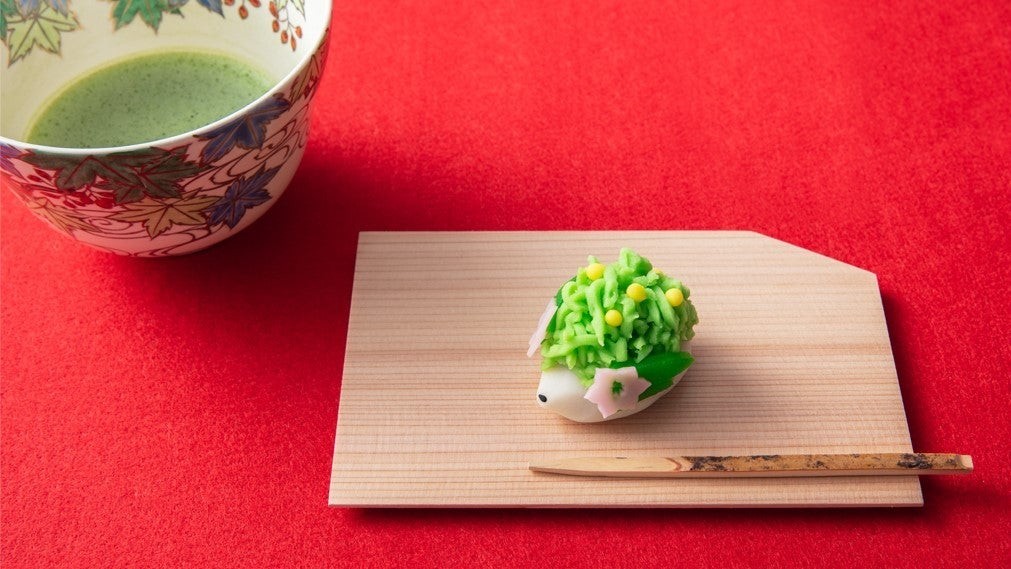
The Pokémon Company has teamed up with Shichijo Kanshundo, a prestigious Kyoto-based confectioner of wagashi (traditional Japanese sweets) established during the Edo period in 1865, to create “Pokémon Kyogashi,” themed after the four seasons.
Kyogashi refers to the wagashi made in Kyoto. This unique craft originally developed alongside imperial court ceremonies and the tea ceremony. These confections include jo-namagashi (soft sweets made with sweet bean paste), han-namagashi (semi-dry sweets that have a jellied texture and a long shelf life), and higashi (dry sweets such as rakugan and fuyaki crackers).
A defining element of kyogashi is its deep connection to the four seasons and annual events. For well over a millennium, people have cherished these treats for their ability to evoke thoughts and images of the season they represent through both sight and taste.
Meanwhile, certain Pokémon naturally evoke the feeling of specific seasons. We realized that if we could blend the seasonal storytelling of Kyogashi with the world of Pokémon, we could unlock a fresh, new charm for both. Our team and Shichijo Kanshundo shared this vision of creating something both traditional and innovative, which led us to take on the challenge of releasing "Pokémon Kyogashi."
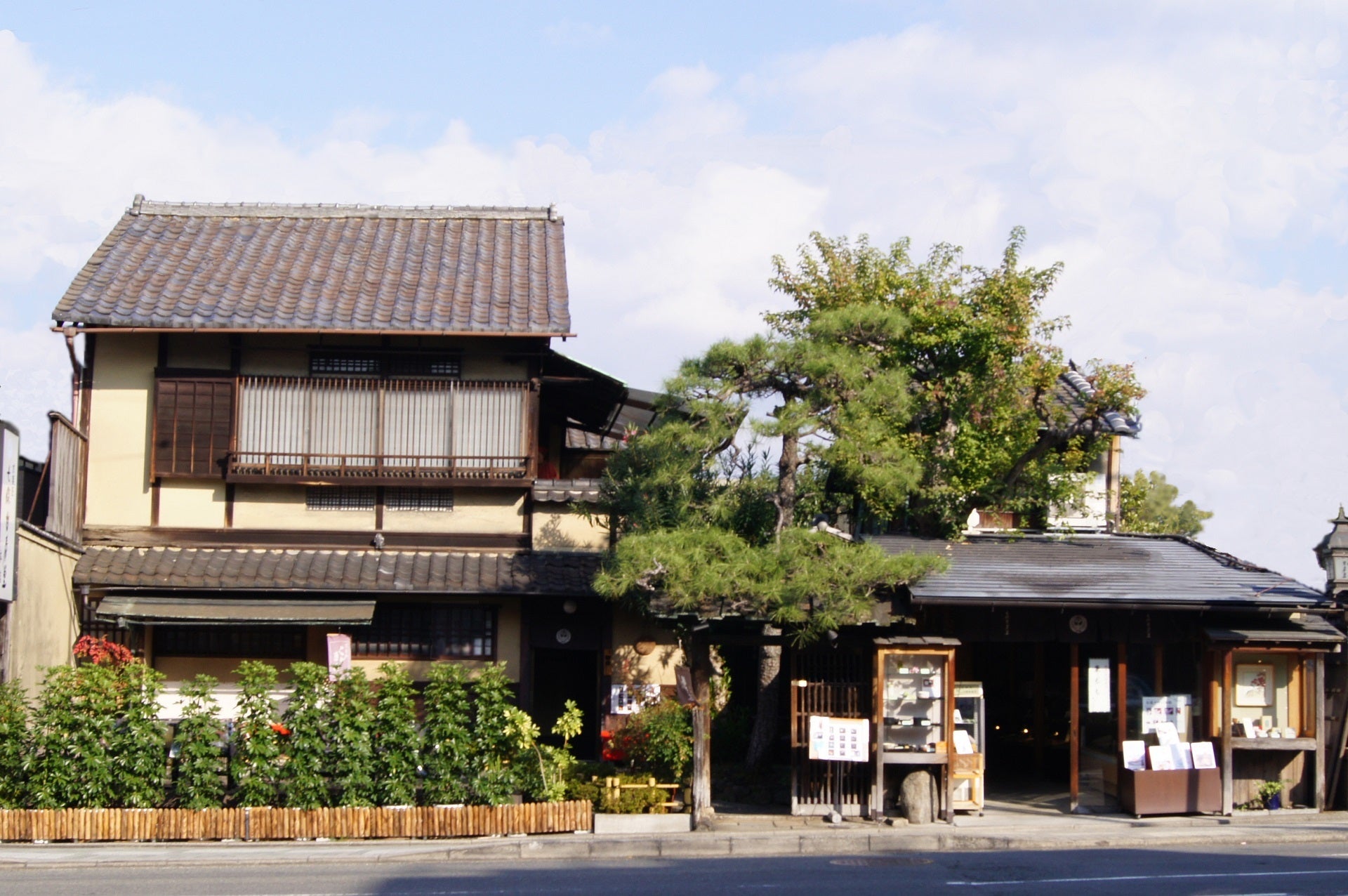
Many of the staff at Shichijo Kanshundo belong to a generation that knows and loves Pokémon from their childhood. In fact, one member was a dedicated player who had collected every Pokémon to complete their Pokédex in the video game series!
Reflecting on the project’s beginnings, an employee of Shichijo Kanshundo noted, “We felt really excited about the idea of creating a new value for traditional Japanese sweets.”
The employee continued, “Until a few decades ago, wagashi (Japanese sweets) were the main sweets in Japan. However, modern life offers a huge variety of delicious options. Unfortunately, this means that fewer people, especially younger people, are familiar with wagashi.
The team at Shichijo Kanshundo felt a strong sense of urgency regarding the future of their craft, so this collaboration was perfectly aligned with their desire to revitalize wagashi.
2. Pokémon Expressed Through the Art of Kyogashi
During the “Pokémon Kyogashi” development process, we maintained constant communication and produced several trial products to ensure the final versions reflected the imaginative ideas and uncompromising standards of both sides.
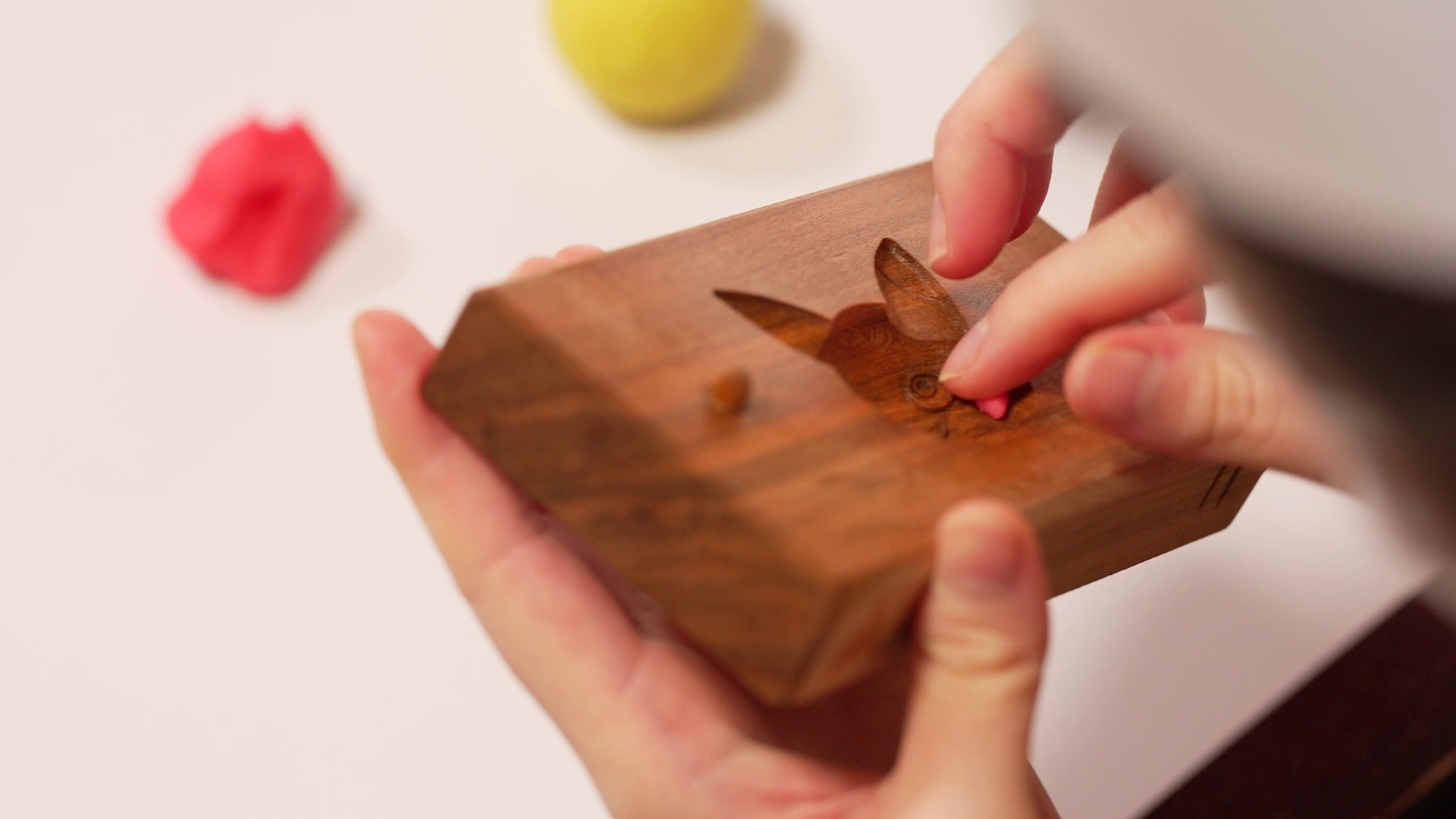
We proposed featuring specific Pokémon that harmonized with seasonal scenes and suggested ways to express their unique traits in kyogashi. Shichijo Kanshundo explored the technical possibilities of the craft, considering types of sweets, balance of taste and colors, and ingredients.
For example, jo-namagashi, one of the main types of kyogashi, typically uses abstract shapes to represent seasonal motifs. This “less is more” approach is a defining feature of the refined elegance of the craft.
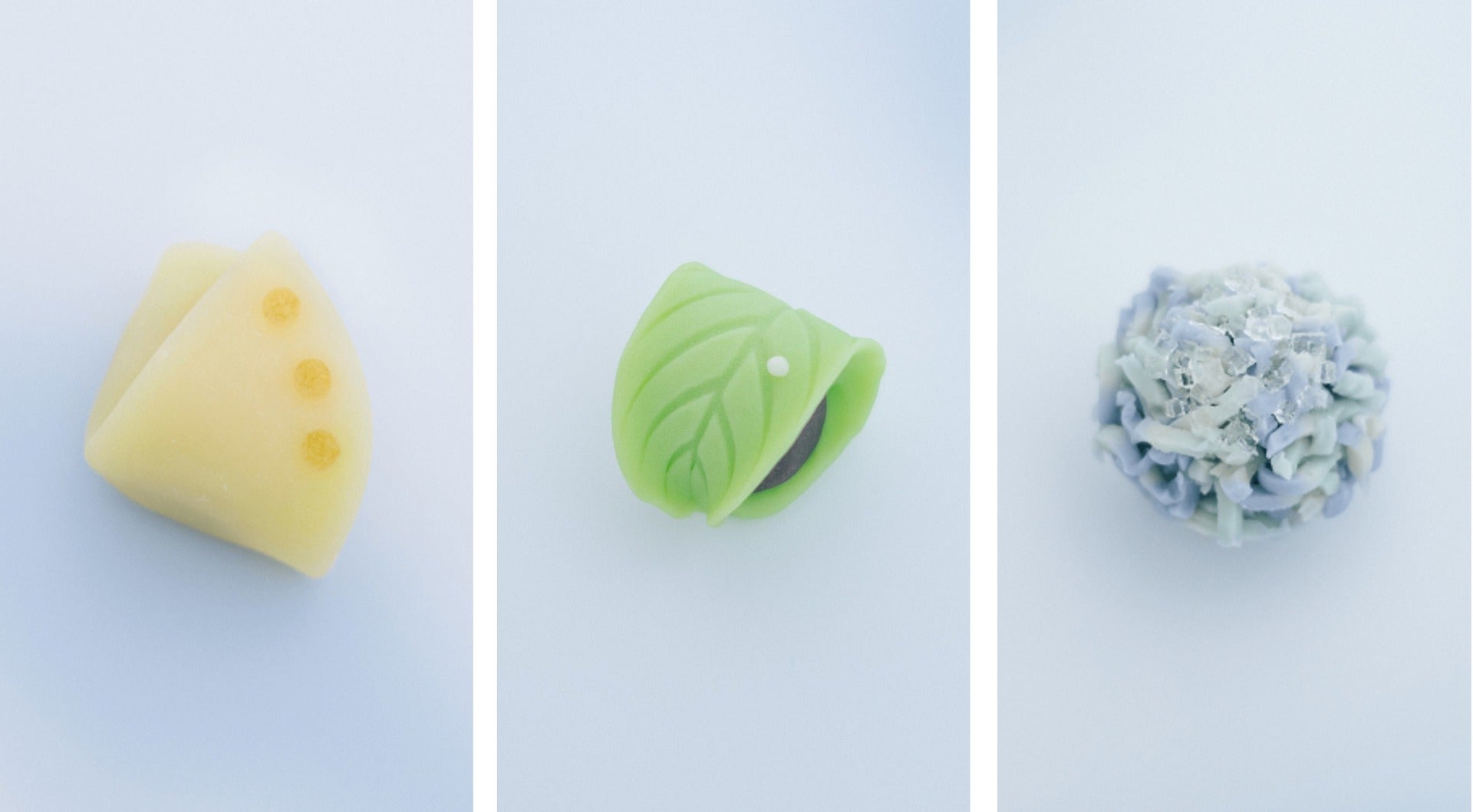
However, if the designs became too abstract, the specific image of Pokémon might be lost. Achieving a balance between the imaginative abstraction of kyogashi and the recognizable identity of the Pokémon being depicted became a central focus.
Furthermore, Jo-namagashi are fresh products. Because artisans craft each piece by hand, the colors can easily shift depending on the temperature and environment.
We brainstormed ways to replicate the colors of featured Pokémon consistently while maintaining the quality expected of fine confectionery. After investing significant time and effort into repeated trials, the team successfully overcame these difficult hurdles.
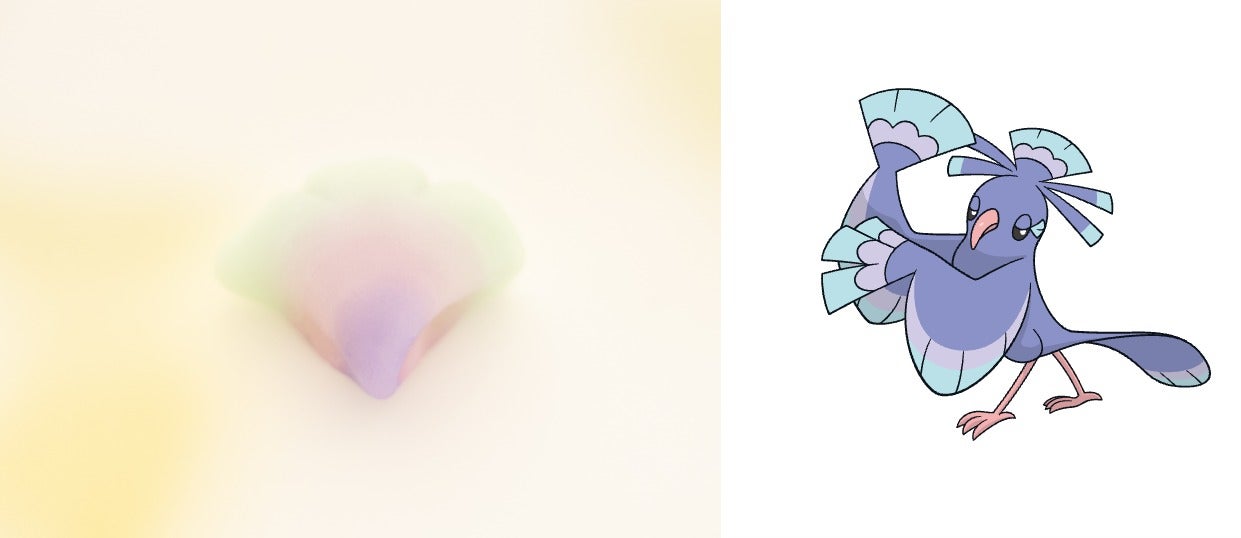
Both Pokémon and kyogashi have distinct worldviews that don’t readily allow for compromise. As a Pokémon staff member recalled, “I worried that we were being too demanding with our requests for minor adjustments and refinements.”
However, Shichijo Kanshundo staff reassured the team, noting that artisans were genuinely enjoying the creative process. This support allowed us to pursue every detail with a positive and collaborative spirit.
The world of kyogashi includes a culture of creating items that are made to order for specific tea gatherings. For this collaboration, a Shichijo Kanshundo representative remarked, “It was a great opportunity for our artisans to showcase their skills.”
What’s more, one artisan in particular shared their joy, saying, “I’m happy to show my work to my grandchildren, who just love Pokémon.” This is the mutual enthusiasm that drove the project forward.
3. The Debut of Seasonal "Pokémon Kyogashi"
These efforts culminated in “Pokémon Kyogashi,” a collection centered on the concept of “Exploring the World of Kyogashi with Pokémon” through the lens of the four seasons.
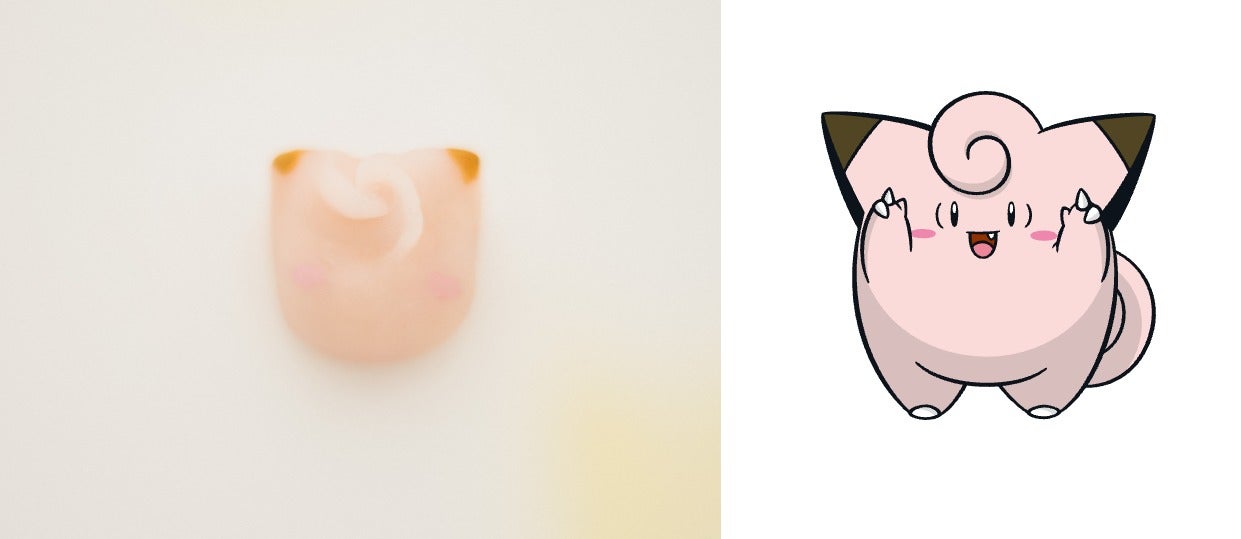
The first “Autumn” series featured a Clefairy jo-namagashi, inspired by the Otsukimi (moon-viewing) tradition. Clefairy are Pokémon said to gather and dance under the full moon. The collection also included fuyaki rice crackers depicting Pokémon against autumnal backdrops as well as a Pikachu rakugan (dry sweet) that evokes the season and is crafted from a handmade wooden mold.
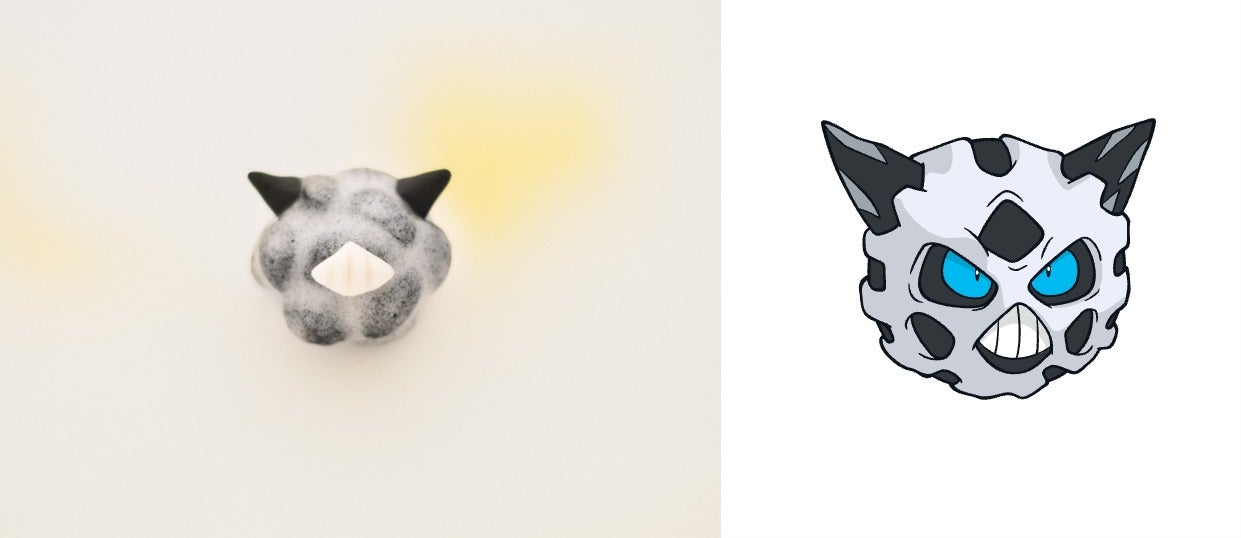
The Pokémon team found the Glalie jo-namagashi from the “Winter” series especially memorable. Drawing from the Japanese Setsubun festival, where people throw beans to ward off oni (demons), the design used black beans to recreate Glalie’s craggy body.
“Shichijo Kanshundo suggested the idea of using black beans,” a team member noted. “Thanks to their unique expertise in kyogashi, we were able to produce a truly unique Pokémon Kyogashi that we couldn’t have imagined on our own.”
4. Sharing the Charm of Kyogashi Through Pokémon
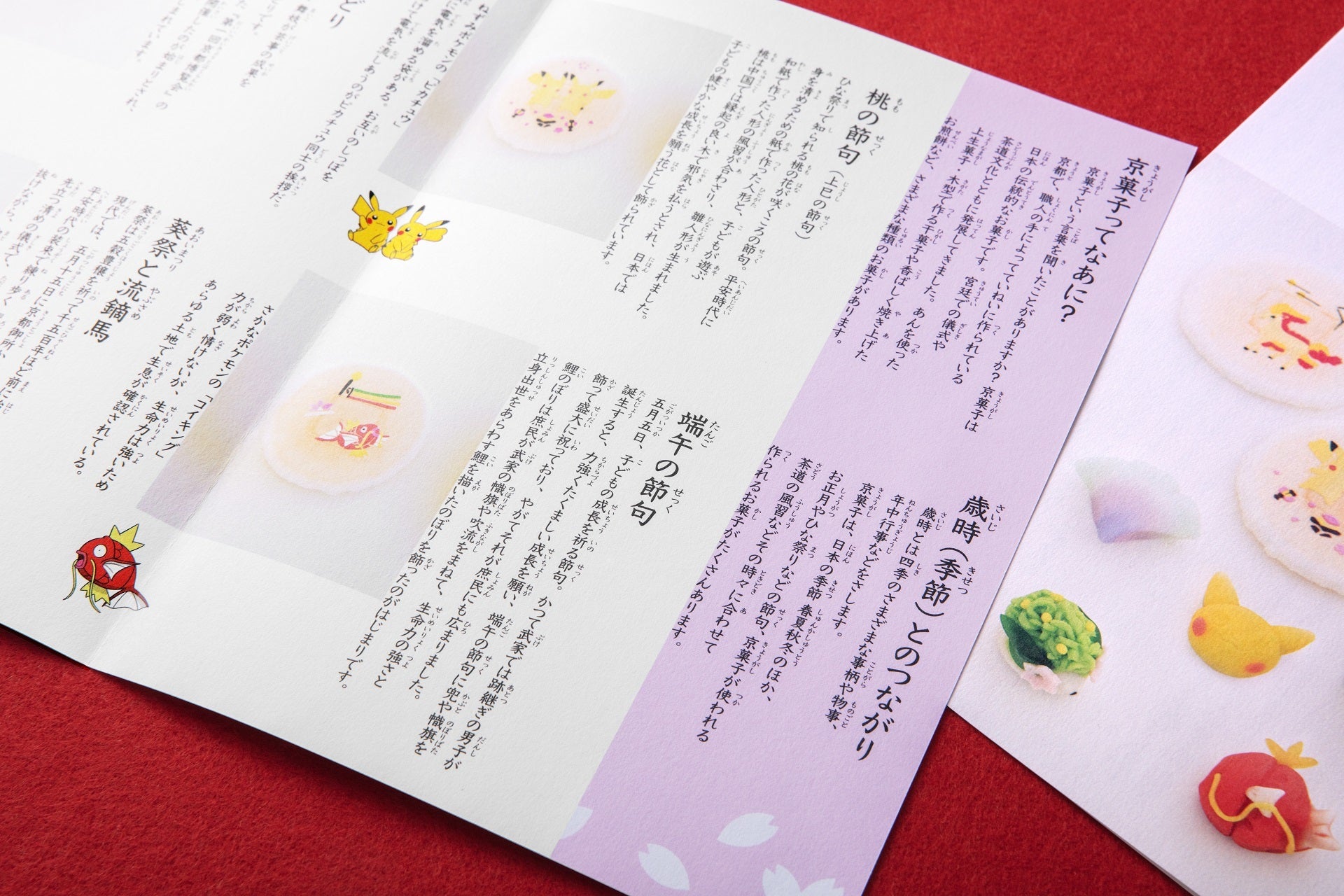
To help convey the meaning and background behind each creation, we included a printed insert in every "Pokémon Kyogashi" box explaining the relevant seasonal traditions.
Through Pokémon, we aim to show one of the greatest charms of kyogashi: its intimate connection to the seasons, their festivities, and the daily lives of people.
On launch day, a long line formed outside Shichijo Kanshundo. The crowd included young Pokémon fans and their families, older adults eager to find souvenirs for their grandchildren, and foreign tourists.
Seeing such a diverse group of people waiting eagerly for the release was pleasing proof that “Pokémon Kyogashi” had reached a far wider audience than we had ever imagined.