

2024.08.15
Highlighting the Appeal of Pokémon and Metal Casting with The “NOUSAKU Pokémon Collection”
Index
1. Getting More Familiar with Metal Casting
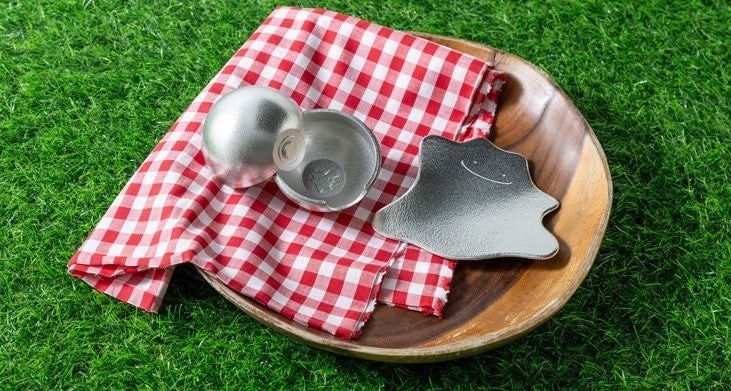
Metal casting creates beautiful forms by pouring molten metal into specialized molds. This summer, we launched the “Nousaku Pokémon Collection,” utilizing the sophisticated skills of master metal casters to bring the designs of this collection to life.
The Pokémon Company collaborated with NOUSAKU CORPORATION, a company with a history in metal casting based in Takaoka, Toyama Prefecture, an area renowned for its metalwork. NOUSAKU uses 100% pure tin, resulting in products that possess a surprisingly soft, supple texture despite being made of metal.
The artisans perform each step of the manufacturing process by hand, from creating the molds to the final finishing touches. These refined techniques produce elegant curves and unique textures that modern machinery simply cannot replicate.
A staff member at NOUSAKU explained the origins of the project:
As a manufacturer, we constantly face the challenge of communicating the appeal of traditional crafts. While metal casting is practical, people often view it as something unapproachable or overly formal. We wanted to shine a bright new light on this art by collaborating with Pokémon, a brand known all over the world.”
A representative from The Pokémon Company also added:
“We felt very honored to collaborate with NOUSAKU, a company with a long and proud history that takes immense pride in its craftsmanship. After coming to understand the unique properties of tin and casting, we looked for ways to layer those traits with the specific characteristics of various Pokémon. We went through several rounds of proposals to ensure the final products would highlight the best of both worlds.
2. Combining Pokémon with Tin
Many Pokémon fans happen to work at NOUSAKU, and the internal call for product ideas generated nearly 120 unique suggestions. Among them, the Ditto Tray emerged as a standout concept.
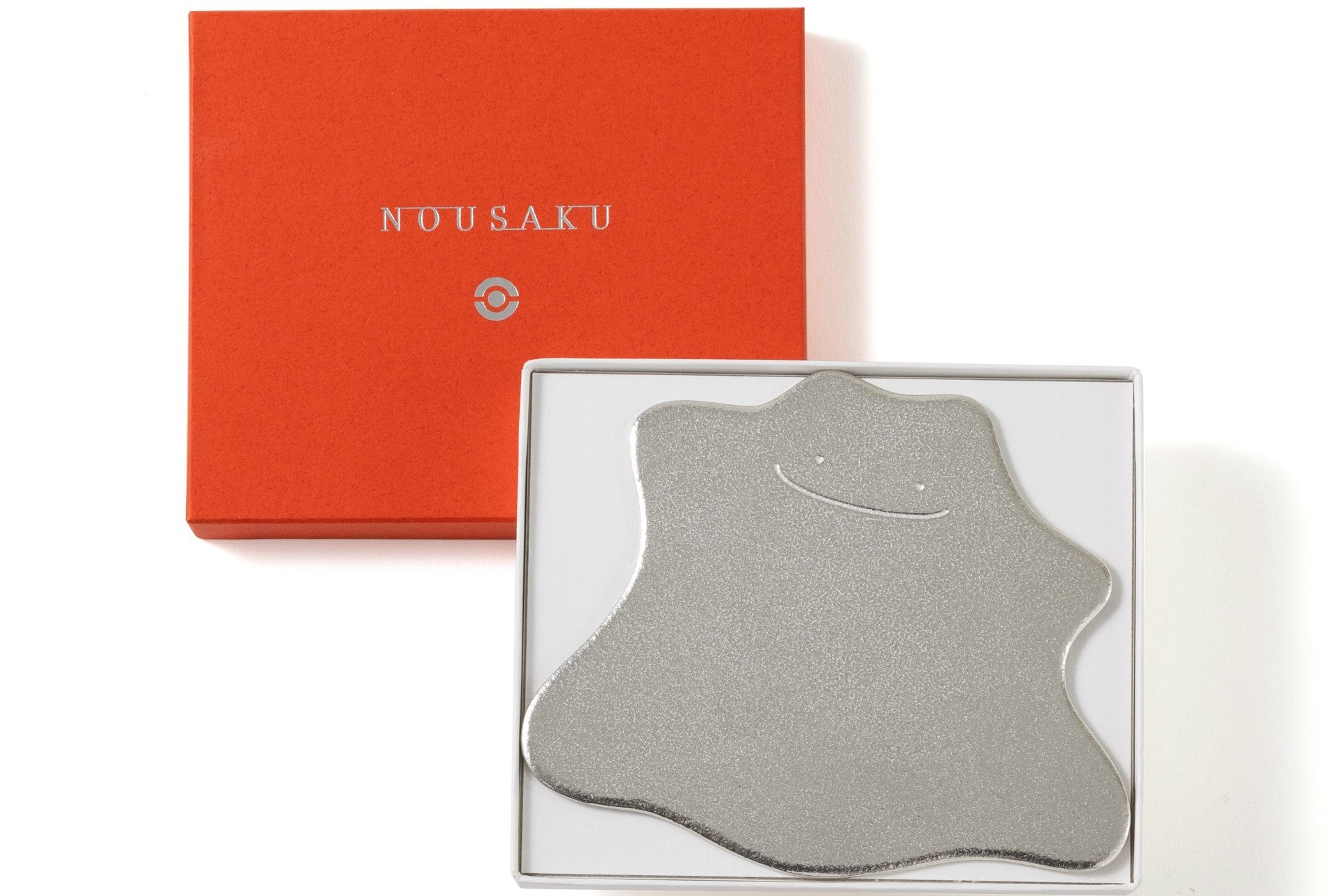
The team at Pokémon suggested mirroring Ditto’s transformative ability with the malleable nature of tin. This resulted in a product that combines the flexibility of pure tin with Ditto, the Transform Pokémon known for its ability to change into any shape.
3. Making Full Use of Expert Craftsmanship
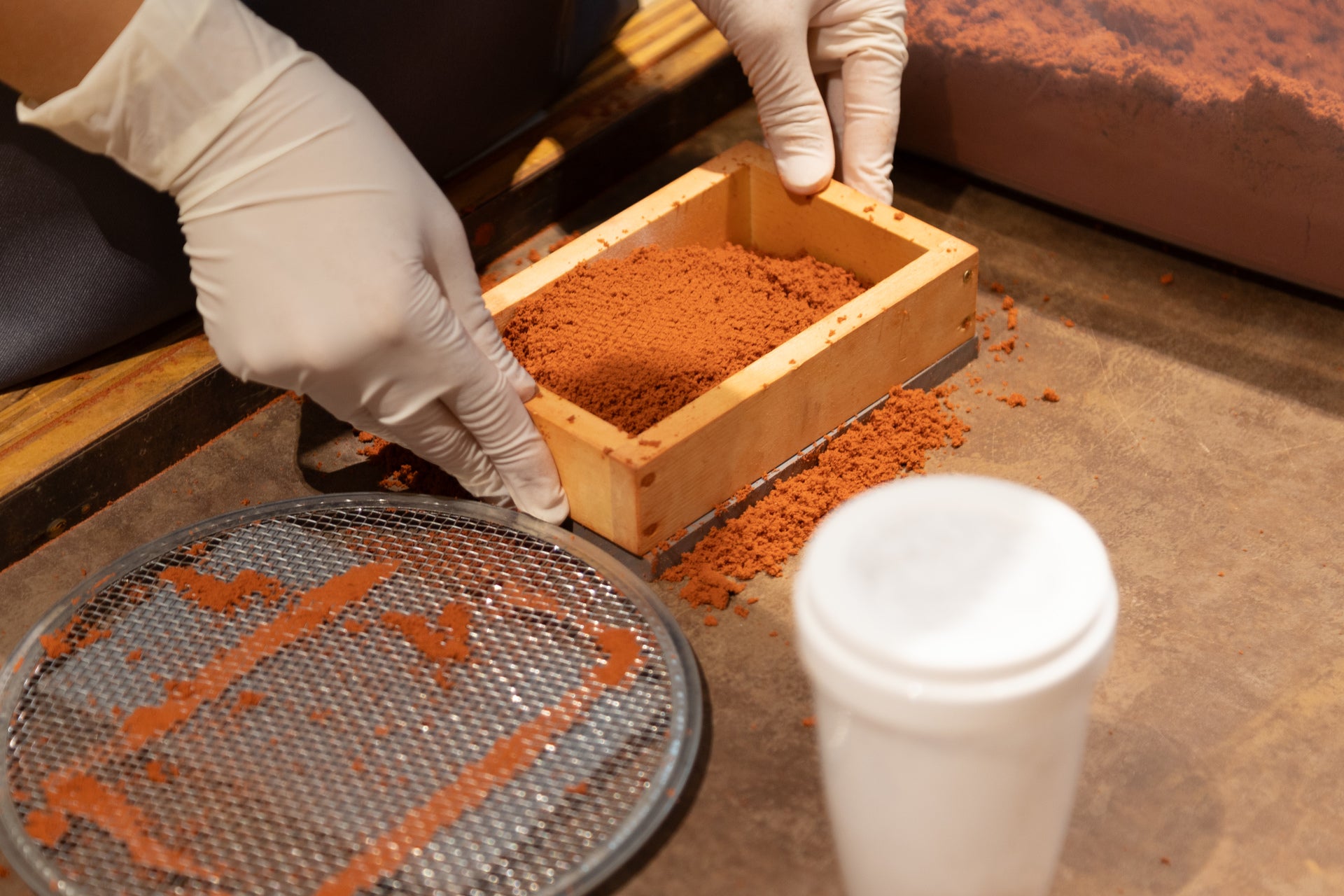
Metal casting begins by fabricating a mold. While various methods exist, NOUSAKU mainly adopts the traditional “sand casting” technique. In this process, the artisans create a prototype matching the product’s final shape. They then pack sand around it to form a mold. Finally, they pour molten tin into the mold. The natural texture of the sand gives the finished product a distinctive, organic feel.
During the prototype stage, the team at Pokémon provided supervision and feedback to ensure the designs remained true to the characters. Because the casting process makes it difficult to use color or intricate engravings, the artisans relied on clever use of depth and relief to recreate specific details.
Once the prototype was finalized, the team produced samples using sand molds to refine the finished look. Both companies remained dedicated to getting the details right at this point as well, resulting in a development period that spanned nearly one year.
One NOUSAKU artisan noted that the Poké Ball Bowl was especially challenging to make. Hence the supreme technical precision was indispensable to make the top and bottom halves fit together perfectly.
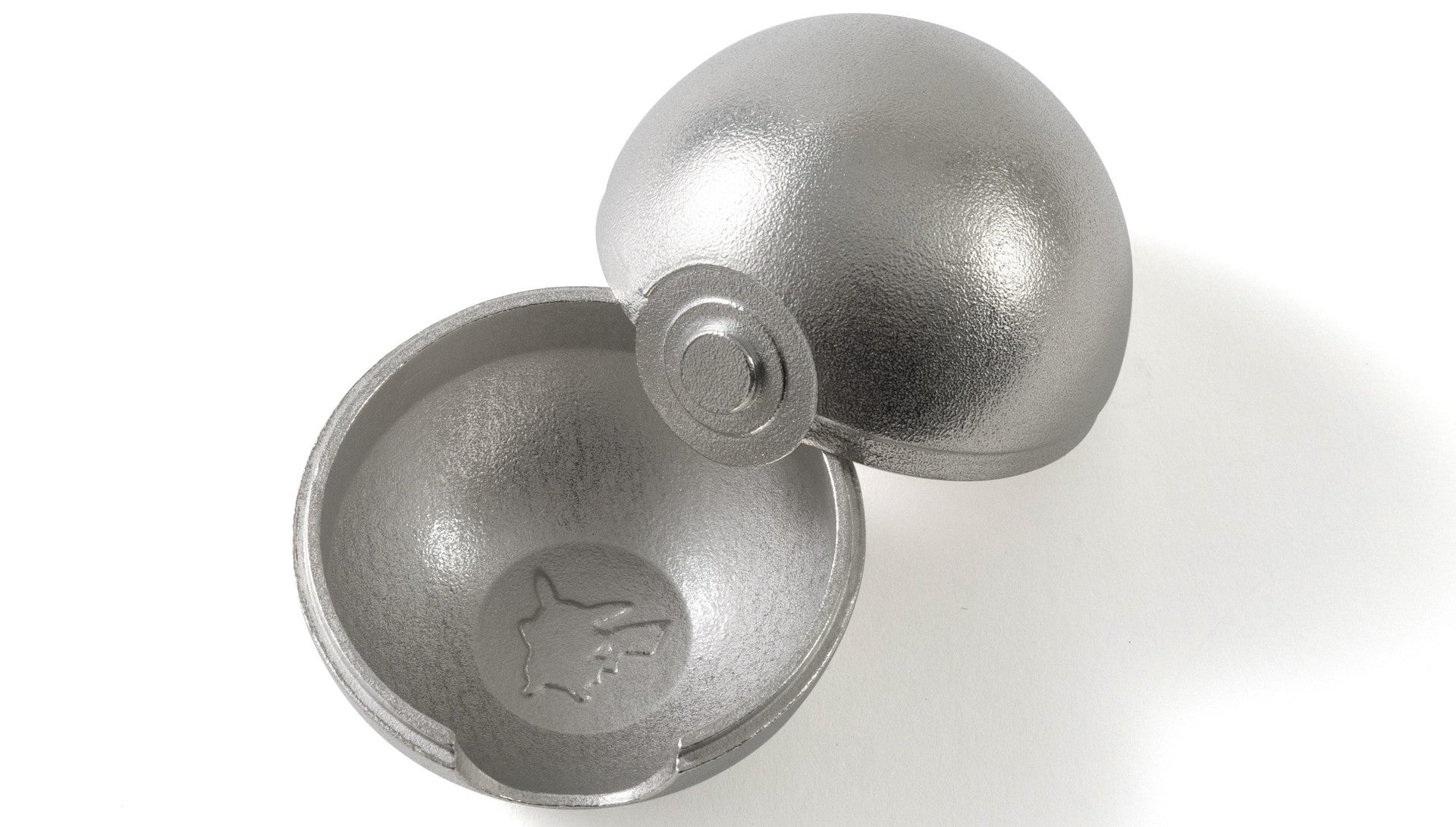
A NOUSAKU representative remarked, “This was a shape that we rarely encounter in our standard work, so it was a real challenge. But we felt a great sense of pride in applying our expertise to make it a reality.”
4. Pokémon as a Connection Point with Traditional Casting
To complement the collection, NOUSAKU launched a special Pokémon-themed casting workshop. Held at its head factory in Takaoka, this event allowed participants to try their hand at making 100% tin chopstick rests.
The event was planned out to give people, especially newcomers to metal casting, the opportunity to become familiar with this fascinating art.
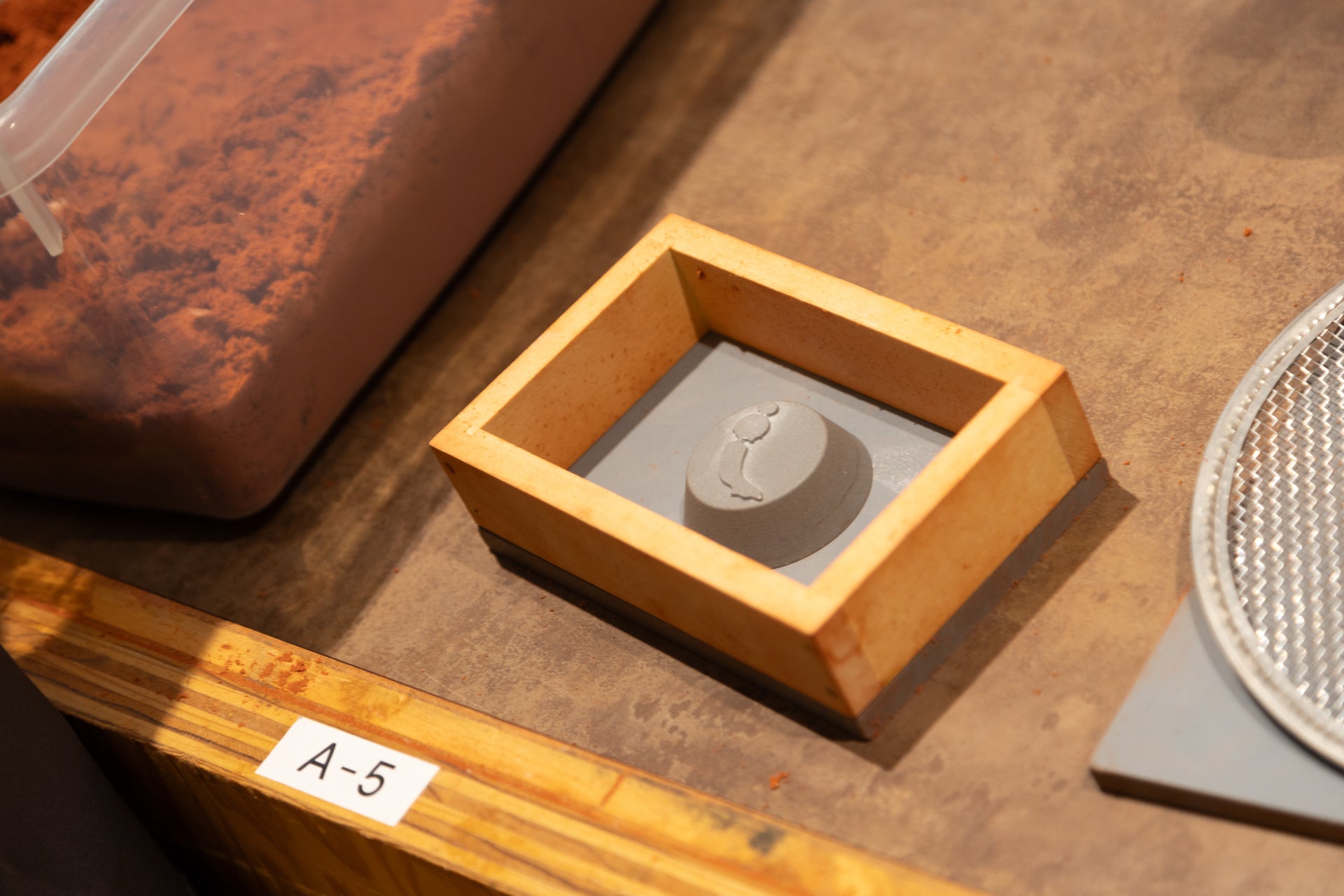
The team selected four Pokémon for the mold designs based on their connection to the casting process. In addition to Ditto as introduced above, they chose Chimecho, the Wind Chime Pokémon, because wind chimes are one of Nousaku’s leading products.
The team also selected Sandshrew, a Pokémon who loves to burrow in sand – a perfect match given the use of sand in fabricating molds. Lastly, they chose Charizard to represent the intense heat required to melt the metal.
The workshop attracted a wide range of visitors, including local families and children, as well as guests from other regions of Japan – and overseas visitors too. For many participants, the event provided a perfect introduction to traditional techniques and the world of Japanese craftsmanship.
5. Bringing Together Distinct Industries for New Appeal
A representative from NOUSAKU shared these thoughts on the project:
“Metal products can often feel cold, but we were happy to find that the presence of Pokémon allowed us to express a sense of warmth and fun. We have built our brand by guarding tradition while continually taking up new challenges. Through this collaboration, we were able to expand our possibilities and successfully introduce our work to a much broader audience.”
The “NOUSAKU Pokémon Collection” is a showcase of the unique appeal of both companies, achieved through a deep mutual understanding. This collaboration also served as an introduction to a new facet of Pokémon to fans everywhere.