

2026.04.24
First Steps into Nature: Experience Scouting with Pokémon
Index
1. Bringing Nature Closer to Children with Pokémon
“Welcome, prospective Pokémon Trainers! Thank you all for joining us today!”
This energetic greeting kicks off the, The Scouts’ “Become a Pokémon Trainer!” program. The initiative represents a joint project between the Scout Association of Japan and the “My First Pokémon Project*” and is currently active in regions throughout Japan.
My First Pokémon Project: A Pokémon Company Initiative dedicated to creating opportunities for children to interact with Pokémon.
Scouting is one of the world’s largest youth programs, designed to cultivate self-reliance and cooperation in children through outdoor activities. Since its founding in England in 1907, it has spread to more than 170 countries and regions.
(1).JPG)
At first glance, the physical world of outdoor activity and the virtual world of Pokémon video games appear to be opposite, yet this first-ever collaboration became a reality after an outdoor-loving Pokémon Company employee proposed the idea.
“Since becoming a parent, I started thinking that I want my children to have chances to experience the great outdoors just as much as I want them to enjoy playing the Pokémon video games. I tried to come up with a way to make Pokémon into a gateway for them to get in touch with nature, and that’s when I hit on the idea of a collaboration with the Scout Association of Japan.”
A representative from the Scout Association of Japan welcomed the idea with enthusiasm, recounting, “I was excited about taking on a new challenge with the Pokémon that all the children we work with know so well.”
2. “Use Knowledge and Problem-Solving to Complete the Mission”
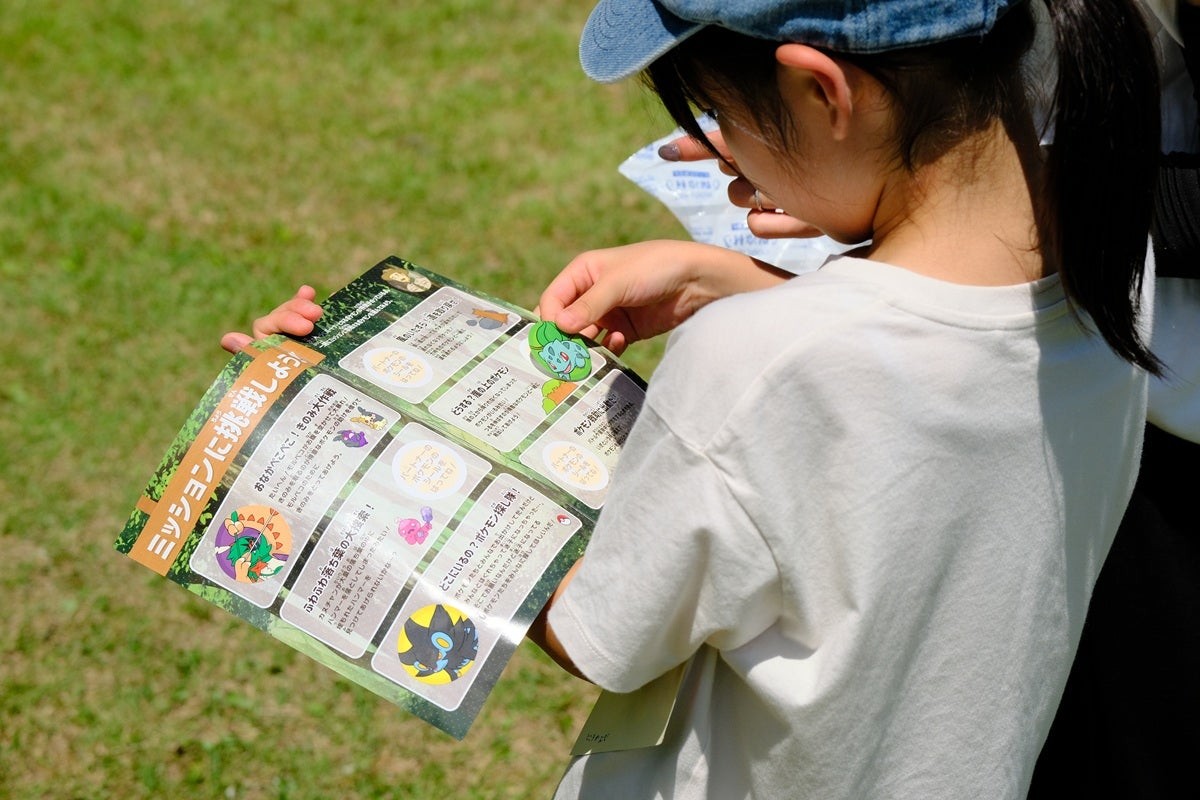
This partnership resulted in “The Scouts’ “Become a Pokémon Trainer” Program designed for elementary school students. The team based the missions on six skills that Scouting hopes children around age ten will master: teamwork, physical fitness, technical skills, quick thinking, observation, and first aid. Participants work to complete missions centered on these six concepts with Pokémon.
A Pokémon Company representative explained the narrative connection: “We know that most children join Scouting around age ten. In the Pokémon series, trainers set out on their Pokémon journeys at around the same age, so we used this parallel to craft a story where children travel through nature to gain skills, they need to become fully fledged Pokémon Trainers.”
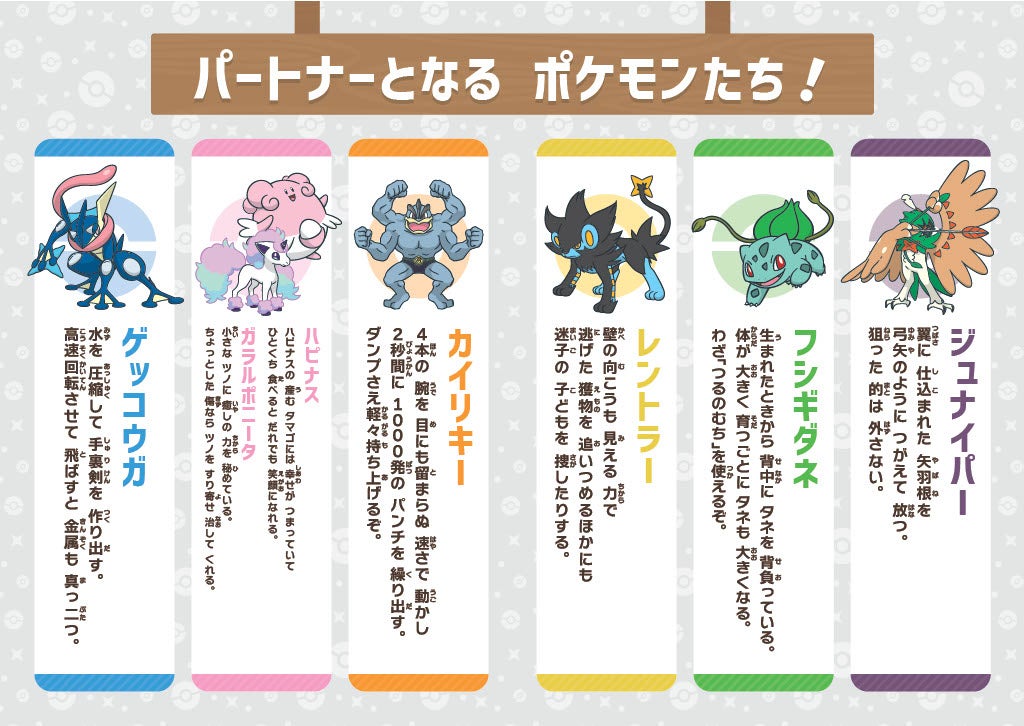
During the program, children choose a Pokémon partner and tackle missions to resolve various “Pokémon problems” occurring in the wild.
“We focused most of our effort on linking the world of Pokémon with real-world outdoor experiences” a representative from the Scout Association of Japan noted when talking about the development process.
.JPG)
“For example, in one mission, children build slingshots out of rubber bands and chopsticks to help Decidueye, the Arrow Quill Pokémon, shoot down nuts. We worked hard to blend Pokémon characteristics with these educational elements.”
3. Creating Unique Experiences Through the Powerful Imaginations of Children
Scout Association of Japan operate approximately 1,600 locations across Japan, each with different natural environments and available equipment. To accommodate this, the team provided an implementation guide with detailed scenarios. This allowed local leaders to adapt and refine the program to suit their specific regional needs.
.JPG)
A representative from the Scout Association of Japan expressed surprise at the overwhelming response from participants:
“What has struck me the most while running these programs across Japan is the powerful influence of Pokémon. While our events are always open to children who are not regular members, the response to The Scouts’ “Become a Pokémon Trainer” Program was much higher than what we typically see. We received so many applications that we could hardly keep up.”
The representative also marveled at how deeply the children engaged with the program’s themes. “During the introduction, a veteran trainer explains the challenges the Pokémon are facing. The children instantly immerse themselves in the Pokémon world. It really reminded me that elementary school children have a unique ability to imagine and immerse themselves.
4. Expanding Horizons with the Interplay of Pokémon and Nature
By combining local ingenuity with the experience of veteran leaders, the program led to a variety of outcomes even within the same missions. The participating teams often took entirely different approaches to problem-solving.
A Boy Scouts representative highlighted this variety: “In the mission ‘What Should We Do? Pokémon on a Cliff,’ teams had to rescue a Pokémon from a ledge. Some groups used the rope techniques they had learned to lower rescuers one by one, while others tied all their ropes together for a collective effort. Seeing the unique personality of each team shine through was truly fascinating.”
.JPG)
The team designed the six missions to encourage exactly these types of diverse, creative approaches.
A Pokémon Company representative shared the joy of seeing the project come to life: “The children used their imaginations and acted as if the Pokémon were truly there. It was incredibly rewarding for us to see them connect with Pokémon in the physical world and move beyond the virtual space of the games.”
While some children may begin to appreciate local nature through a Pokémon adventure, others may discover an interest in Pokémon through Scouting.
Our collaboration continues to deepen the experiences of children nationwide by bridging the worlds of Pokémon and nature as it makes its way across the country.