

Index
1. Searching for Pokémon Hiding in the Forest
Across the outskirts of Tokyo lies an area of untouched nature. This is the environment that inspired the Pokémon series, rooted in its originator’s passion for insect collecting as a child.
In order to encourage people to both return to these origins of play and to reconnect with the beauty of nature, we launched Pokémon Wonder.
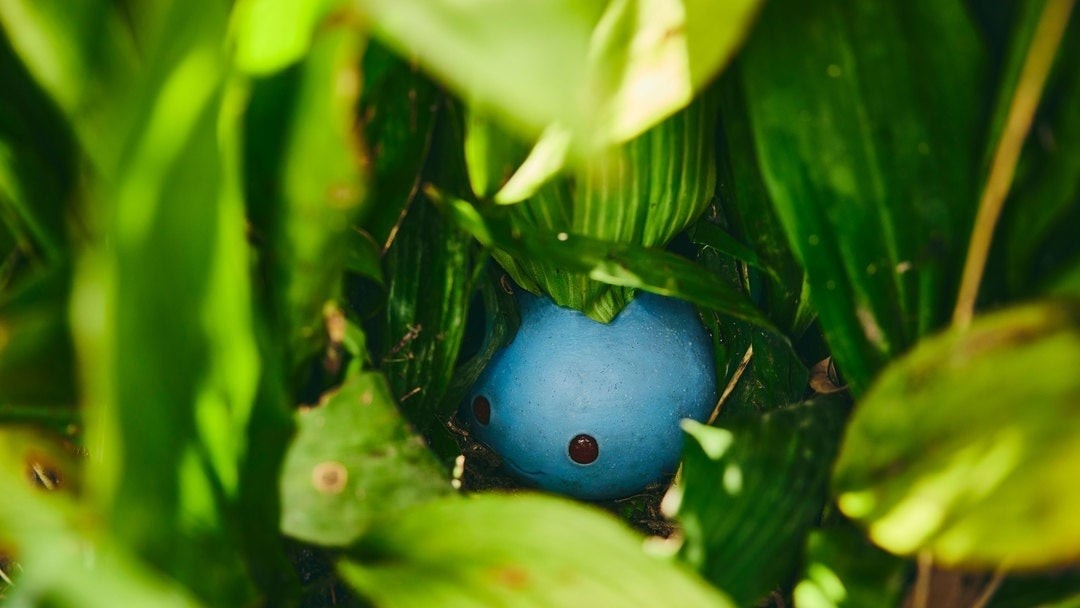
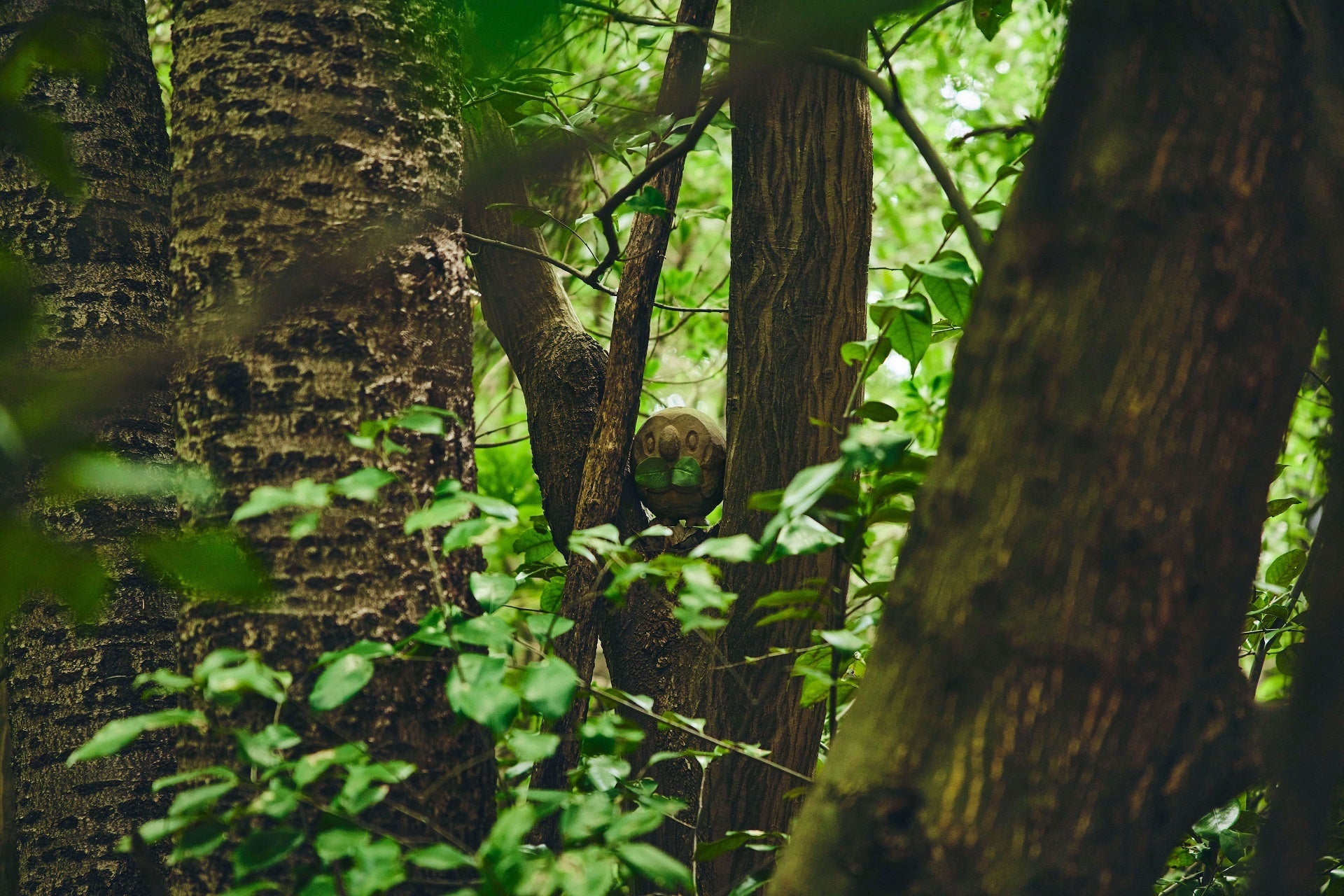
In this adventure, participants play the role of Pokémon researchers and set out into the “Inagi Forest.” They explore this 4,500 square meter woodland in search of Pokémon hidden within the landscape, much like bird watchers and insect enthusiasts.
2. Stepping into the Brush and Peering into Water
One research note provides a mysterious clue:
“I discovered a trail of purple traces. I followed the trail, but they vanished just before a thicket.”
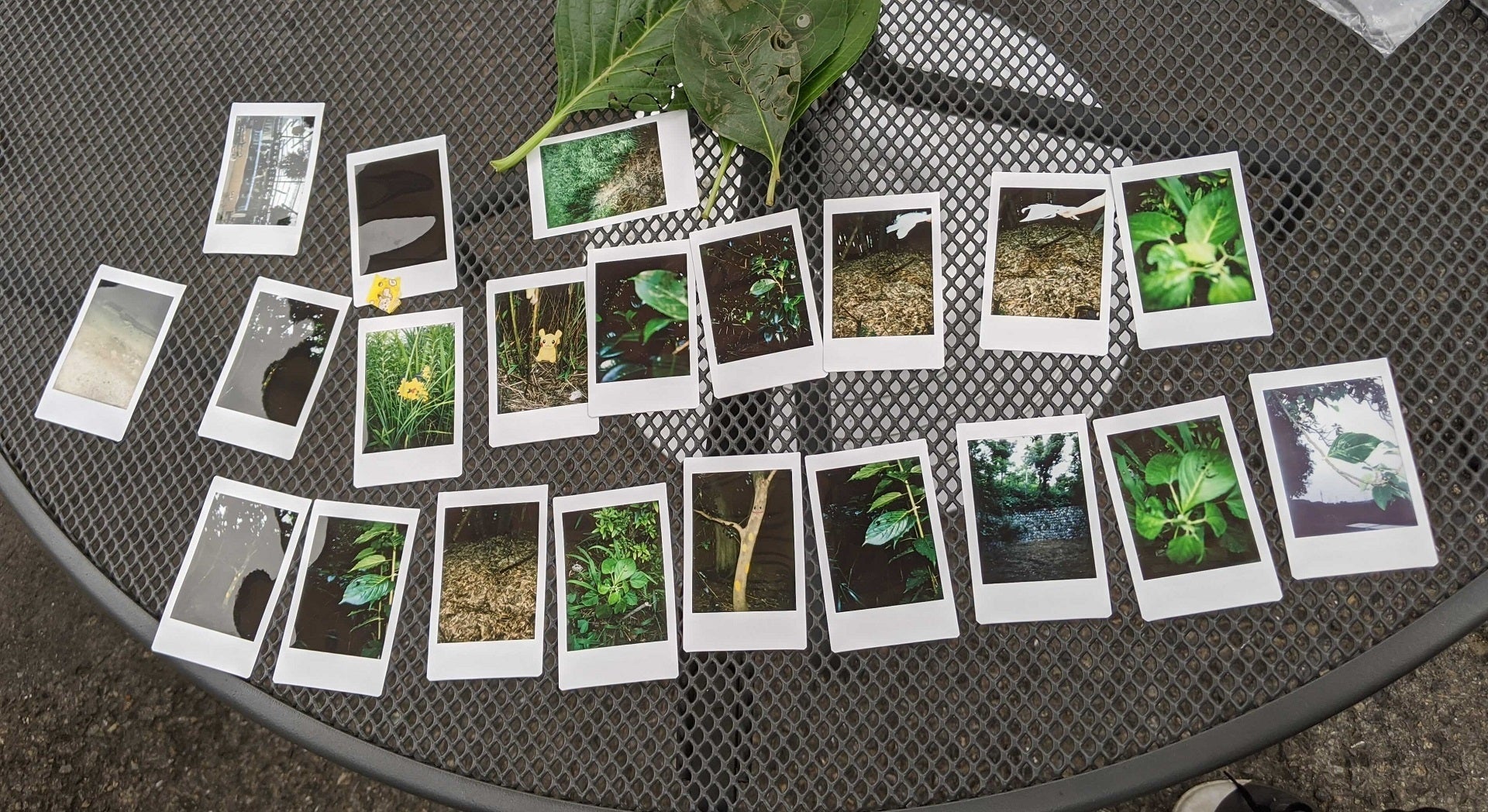
The hint itself doesn’t reveal what kind of Pokémon it is or where it is hiding. Instead, researchers must navigate the vast field themselves, occasionally pushing through dense vegetation or peering into the water. As they roam around the forest, they organically form a deeper connection with the environment.

3. Balancing the Pokémon atmosphere with the Thrill of the Search
We faced our greatest hurdle in ensuring that the world of Pokémon and the thrill of the search could seamlessly coexist in a real-world setting.
To create the means to lead people to dive into nature and follow signs of Pokémon, we brought together a team of creators who were excited about the project’s vision.
Ryogo Matsumaru, a pioneer of the mystery-solving experience genre, together with his amazing team at RIDDLER, Inc., contributed the core ideas. The meticulous attention to detail of Creative Director Keiichi Motoyama was also essential. Motoyama is the creative director behind numerous Pokémon-related videos, including the global trailer for Pokémon GO.
The project required a continuous process of trial and error to get off the ground. The Pokémon Company’s own Akiko Tsuda, who was in charge of project planning, explains the team’s philosophy:
“We exhaustively discussed exactly how each Pokémon should appear to represent its true nature. Every living creature has its own ecology. While a forest is a natural habitat for some Pokémon, it is not for others. No matter how interesting the gimmick, we rejected the idea if it seemed unnatural for that specific Pokémon.”
At the same time, we had to make sure that what we developed would be fun. While we wanted to maximize the appeal of each Pokémon, it would not be fun if they were too easy to spot. On the other hand, if the Pokémon blended in too well, their distinct charm would be lost.
After testing over one hundred ideas and making repeated adjustments, the team finally found just the right balance between authenticity and fun.
4. Pokémon as a Bridge to Nature
Tsuda felt certain the project would succeed after observing a change in a child during a test play session.
This child disliked insects so much that the sight of a single ant frightened him. However, because the venue is in nature, insects are everywhere. Tsuda recalls the breakthrough,
“During the session, the child cried out, ‘I think I saw a Pokémon!’ and charged into the grass. He became so absorbed in the search that he completely forgot his fear of insects. That was when I realized that Pokémon has the power to bridge the gap between children and nature.”
Playing in nature is a timeless experience. Through Pokémon WONDER, we hope that rediscovering the play at the heart of the series will provide a foundational experience for the next generation.
We invite everyone, children and adults, to return to their roots and rediscover the joy of nature.